30 Jan, 2026
What is SaaS Marketing: 2026 Strategy Guide



SaaS marketing is the process of promoting software that is delivered online through a subscription model. Unlike traditional product marketing, where the goal is a single purchase, SaaS marketing is built around long-term relationships. You are not just selling software, you are earning ongoing trust month after month.
This distinction matters because your revenue depends on retention as much as acquisition. Bringing in new users is important, but keeping them engaged, supported, and seeing value is what drives real growth. Every touchpoint, from your first blog post to your onboarding emails, plays a role in reducing churn and increasing lifetime value.
SaaS marketing also comes with a unique challenge. You are selling something intangible. Prospects cannot physically hold your product, so your messaging must clearly communicate outcomes, return on investment, and real-world impact. The strongest SaaS brands succeed because they consistently prove value, not just at signup, but throughout the entire customer journey.
SaaS marketing looks similar to digital marketing on the surface, but the goals are fundamentally different. Traditional campaigns often focus on quick wins and one-off conversions. SaaS marketing prioritises long-term engagement and recurring revenue.
Your messaging needs to strike a careful balance. It must explain technical capabilities clearly while still speaking to human problems, frustrations, and ambitions. Features matter, but outcomes matter more. Buyers want to know how your product will save time, reduce costs, or help them perform better at work.
The sales cycle is also longer. Prospects rarely convert after a single interaction. They research, compare alternatives, test free trials, and involve multiple stakeholders before committing. After conversion, the work continues. Upselling, expansion, and churn prevention become just as important as lead generation. SaaS marketing never truly stops, it evolves with your customers.
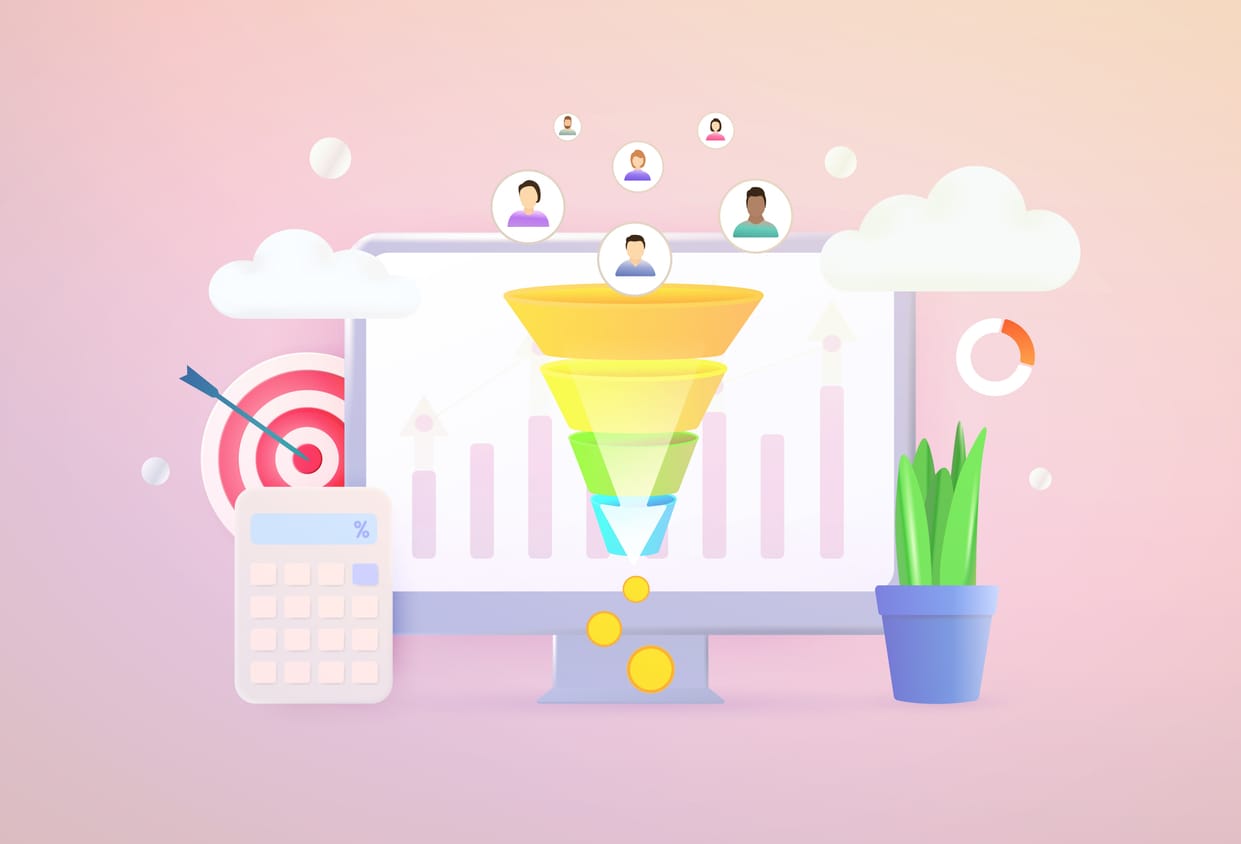
Effective SaaS marketing supports the entire customer lifecycle, not just the top of the funnel. Each stage requires a different approach and mindset.
Everything starts with understanding who you are trying to reach. Most SaaS buyers fall into three broad groups.
By speaking to all three groups, you create a healthier funnel that captures immediate demand while nurturing future buyers.
Traffic alone does not drive growth. Conversion happens when your website makes decisions easy. Clear navigation, transparent pricing, and focused landing pages help visitors quickly understand what you offer and who it is for.
Your value proposition should be obvious within seconds. Comparison tables can guide users away from competitors, while demo videos and real customer stories reduce uncertainty. Live chat and quick access to support further lower friction, especially for high-intent visitors.
Small details matter. Shorter forms, fewer required fields, and simple sign-up flows prevent drop-offs at the most critical moment. Every unnecessary step costs you potential customers, so clarity and simplicity should guide every design choice.
Measuring your SaaS marketing performance requires tracking key indicators that reflect both acquisition and retention:
Many SaaS companies struggle because their marketing feels generic. Relying solely on Google Ads or basic LinkedIn campaigns rarely builds real differentiation. Buyers want authenticity and relevance.
Standing out requires creativity and insight. Founder-led content, customer interviews, and opinion-driven thought leadership create emotional connection. Hyper-targeted campaigns based on real user behaviour feel more personal and timely.
Alignment between sales and marketing is equally important. Shared dashboards, common goals, and integrated tools speed up conversions and improve customer experience. The SaaS brands that win are the ones willing to experiment, listen closely to users, and continuously refine their approach.
Free trials lower the barrier to entry by letting prospects experience value before committing. Short, focused trial periods work best, as they create urgency without overwhelming users. Asking for payment details upfront can also filter out low-intent signups and improve conversion quality.
Transparent pricing builds trust. Buyers want to understand costs quickly and compare options without friction. Clear tiers, honest feature breakdowns, and no hidden fees make prospects feel confident in their decision. When pricing is straightforward, your sales conversations become easier and more productive.
Ready to scale your B2B SaaS faster and more sustainably? Rocket SaaS is a B2B SaaS digital marketing agency that works as an extension of your business, delivering tailored inbound strategies that create demand, nurture high-intent leads, and drive predictable revenue growth.
Book a free strategy call or growth audit today and let’s turn your SaaS into the category leader it has the potential to be.


Receive actionable SaaS marketing ideas to implement in your business

By Ryan James